
How to Hack a 3-Payday Month to Supercharge Savings and Slay Debt
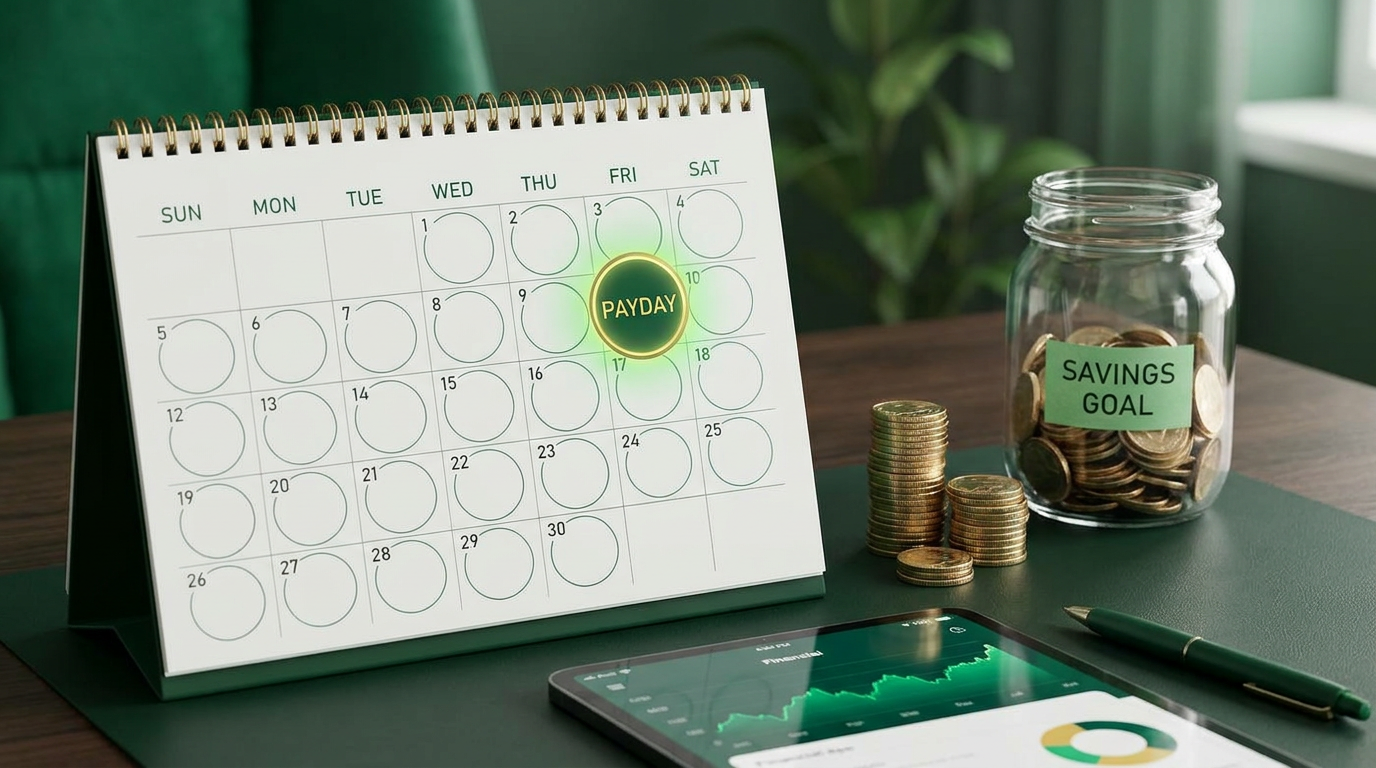
If you get paid biweekly, two months out of the year give you an extra third paycheck. Here is how to map your calendar and make that cash count.
Guilt-Free Spending Allowance
Calculate your daily fun money allowance when your third paycheck hits.
If you receive your paycheck on a biweekly schedule, you receive twenty six paychecks every year. Because most months contain four weeks, standard monthly budgets are designed around two paychecks per month, totaling twenty four paychecks.
That leaves two magic months every calendar year where you receive three paychecks instead of two.
Many workers treat a three-payday month like a surprise lottery win, spending the extra funds on impulse buys or expensive dinners. If you plan ahead and assign that third paycheck a clear purpose, it becomes a powerful catalyst to crush debt or boost your savings.
Why the Three-Payday Month Occurs
Biweekly pay means getting paid every two weeks on a specific day, usually Friday.
Because a calendar year has fifty two weeks plus one extra day (or two extra days in a leap year), receiving a check every fourteen days results in twenty six pay periods per year.
When a month begins on or near the first day of your pay cycle, three paydays land within that single calendar month. For example, if you get paid on Friday the 2nd, Friday the 16th, and Friday the 30th, you have three paydays in one month.
Why Your Regular Bills Are Already Covered
The beauty of a biweekly budget is that your recurring fixed living costs (such as rent, mortgage, utilities, car payments, and insurance) are built around two paychecks per month.
By the time your second paycheck arrives in a three-payday month, one hundred percent of your baseline monthly bills and living expenses are fully funded.
That means your third paycheck arrives almost entirely unencumbered. Aside from variable daily food or gas expenses, that check is pure surplus money that can be deployed directly toward your highest priority financial goals.
Four Smart Strategies for Your Third Paycheck
Rather than letting surplus cash dissolve into unrecorded daily spending, choose one or two targeted strategies before the money hits your account:
1. Wipe Out High-Interest Debt
Carrying high interest credit card balances or personal loans drags down your cash flow every month. Directing an entire third paycheck toward a principal debt balance can eliminate months of interest and slash your payoff timeline.
2. Fully Fund Your Emergency Reserve
If your emergency fund is underfunded, depositing a third paycheck into a high yield savings account provides an instant financial cushion. Having a solid runway turns unexpected car repairs or medical bills into minor inconveniences.
3. Build Your Sinking Funds
Sinking funds are targeted savings buckets for predictable upcoming expenses, such as annual car insurance premiums, holiday gifts, or home maintenance. Allocating surplus cash to sinking funds prevents holiday spending stress later in the year.
4. Reward Yourself With Guilt-Free Fun
Allocating every surplus dollar to long term goals without celebrating short term wins can lead to budget burnout. Consider reserving ten or twenty percent of the third check for guilt free spending, while directing the remaining eighty percent toward wealth building.
To calculate your exact daily and monthly fun money allowance while keeping your budget balanced, use our Guilt-Free Spending Allowance.
Mapping out your pay calendar at the start of every year ensures you know exactly when your three-payday months land. When that bonus check arrives, you can execute your plan with confidence and watch your financial progress soar.
Written by EasyBudget Team
Fact-Checked • 2026 EditionOur editorial team develops free, privacy-first personal finance calculators and independent money management guides. We cross-reference all math against federal savings guidelines and macroeconomic benchmarks.